Clyde Hill’s housing and asbestos
About 820 Clyde Hill homes, 66%, predate 1980. The median home dates from 1972, and fewer than 2% predate 1950.
The 1960s and 1970s
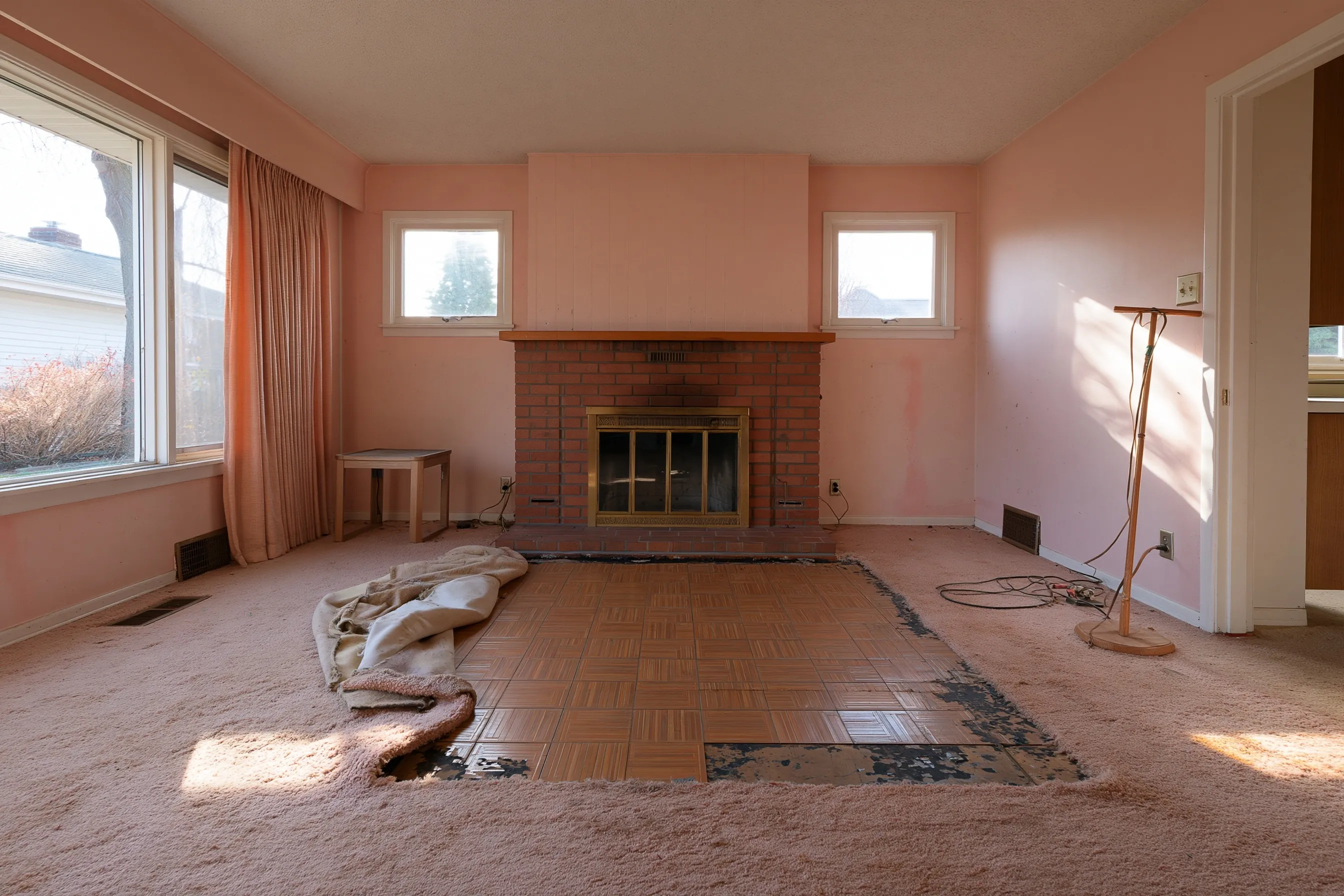
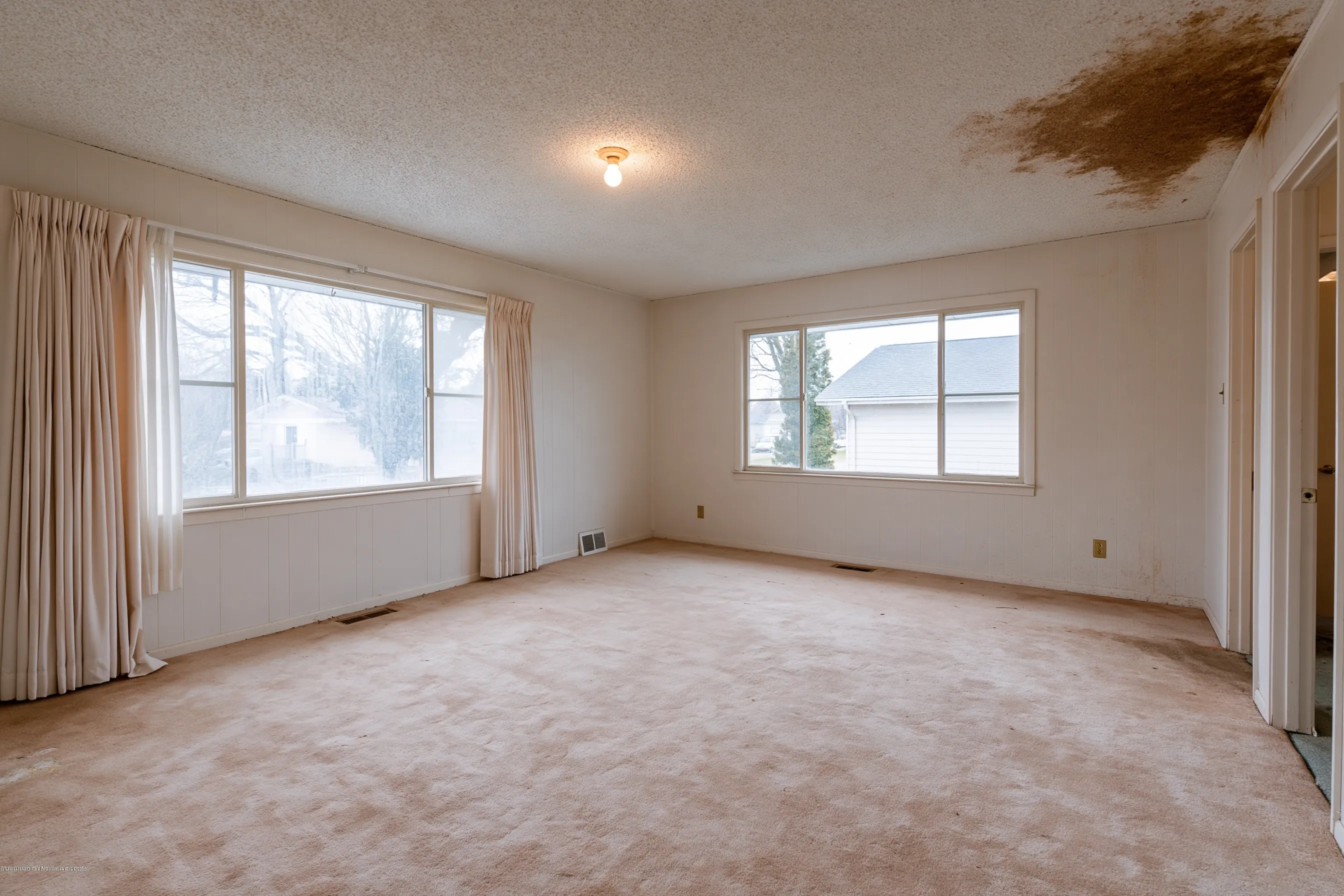
Roughly 35% of Clyde Hill homes come from the 1960s, its biggest decade, and about 19% from the 1970s. Before a remodel, test ceiling texture, vinyl floors and exterior materials from those years; a house that old may still test clean.
Mostly owner-occupied
About 91% of Clyde Hill homes are lived in by their owners, and almost all are one-unit homes. PSCAA’s owner-occupant provisions therefore reach most homes here: you may survey a remodel yourself and, if you live in the house, do the removal, with a notice to PSCAA beforehand once friable material passes the small-quantity limits.
Permits and disposal
Which permits a demolition or major remodel needs is a question for the City of Clyde Hill’s permit office. PSCAA and L&I rules apply whichever permits are required. For waste, PSCAA’s list gives Clyde Hill two choices: Cedar Hills Landfill, which schedules appointments for Tuesdays and Fridays, and Republic Services in Seattle.
Survey, notice and removal steps
Whatever the material, the questions are the same. What will the project disturb? Can the material stay, be sealed or does it have to come out? How much is there? Small jobs need no PSCAA notice, but one is due once friable material reaches 10 linear feet of pipe covering or 48 square feet of anything else in a year, and for any demolition with a roof over 120 square feet. A separate L&I notice applies once a project passes 48 square feet or 10 linear feet.
Two groups may do the work. Certified workers do it wet and contained, and the resident owner of a single-family house may do it personally. The waste then travels sealed, labeled and with a shipment record to an authorized facility, so the paperwork and the packaging matter as much as the removal itself.
Mercer Island has its own page too: see asbestos removal in Mercer Island.